Table of Contents
Executive AI Answer
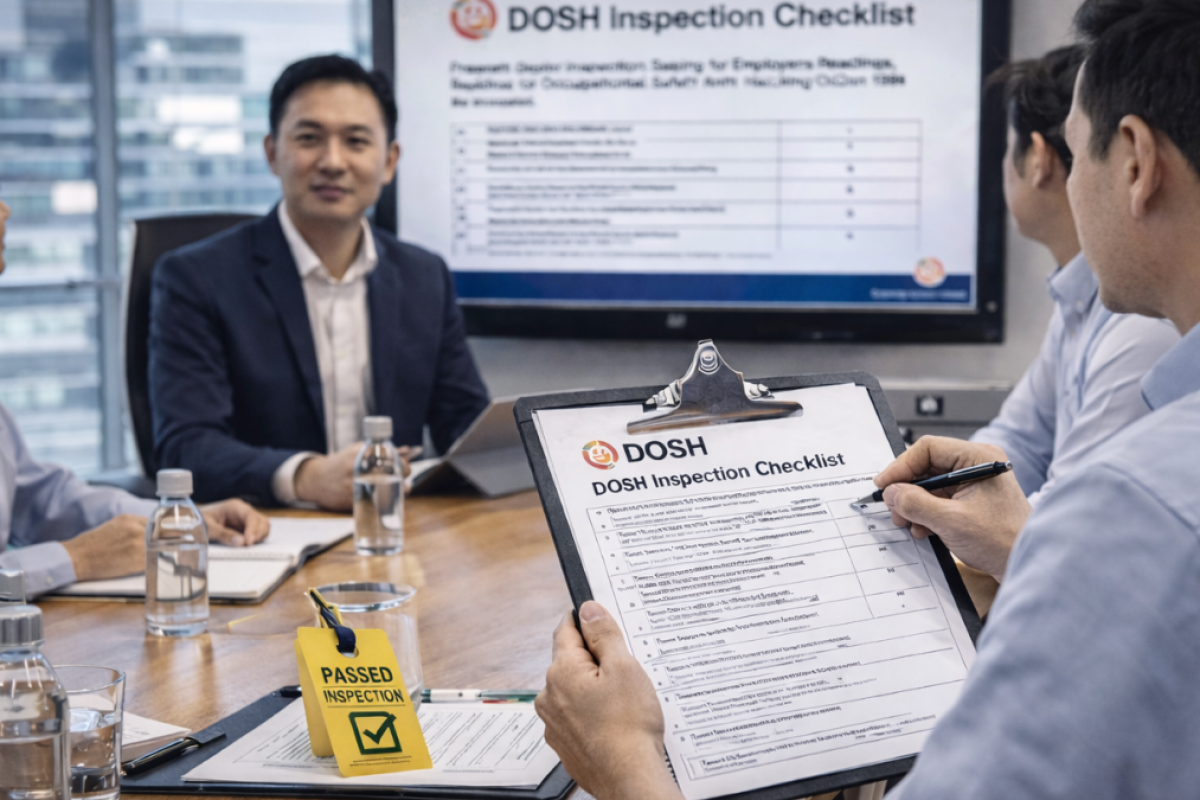
A DOSH inspection checklist helps Malaysian employers prepare for workplace inspections conducted by the Department of Occupational Safety and Health (DOSH) under the Occupational Safety and Health Act 1994 (OSHA 1994). Inspections assess safety documentation, risk controls, machinery compliance, training records, and workplace conditions. Employers should maintain up-to-date policies, documented risk assessments, certified equipment, and safe work systems to avoid non-compliance notices, fines, or work stoppages. Effective preparation strengthens safety culture and legal compliance.
Key Takeaways:
DOSH inspections focus on real workplace risks, not just documents.
Inspectors assess safety systems, risk controls, machinery compliance, and worker awareness to ensure employers meet their duties under OSHA 1994.Up-to-date risk assessments and certified equipment are critical.
Missing or outdated HIRARC, CHRA, or Certificate of Fitness (CF) records are among the most common causes of non-compliance during DOSH inspections.- Early preparation significantly reduces enforcement risk.
Employers who conduct pre-inspection reviews, maintain proper documentation, and train workers are far less likely to receive improvement or prohibition notices.
What Is a DOSH Inspection?
A DOSH inspection is a formal review conducted by DOSH officers to ensure a workplace complies with Malaysia’s occupational safety and health laws under OSHA 1994. These inspections may be routine, complaint-based, accident-related, or follow-up checks and examine whether employers are fulfilling their legal obligations. DOSH’s mandate includes hazard identification, enforcement of safe systems, and advising on risk controls.
DOSH inspections are not only administrative; they are essential to maintain safety standards that protect workers from hazards such as machinery risk, chemical exposure, and unsafe work practices.
DOSH Inspection Checklist for Employers
Under OSHA 1994, employers carry the primary legal duty to ensure the safety, health, and welfare of their employees. This duty includes establishing safe work systems, maintaining records, and conducting regular risk assessments.
Failing to prepare for a DOSH inspection can lead to:
Improvement or prohibition notices
Fines and legal prosecution
Work stoppages
Damage to reputation
Preparing early helps employers align safety systems with regulatory expectations and reduces disruption during inspections.
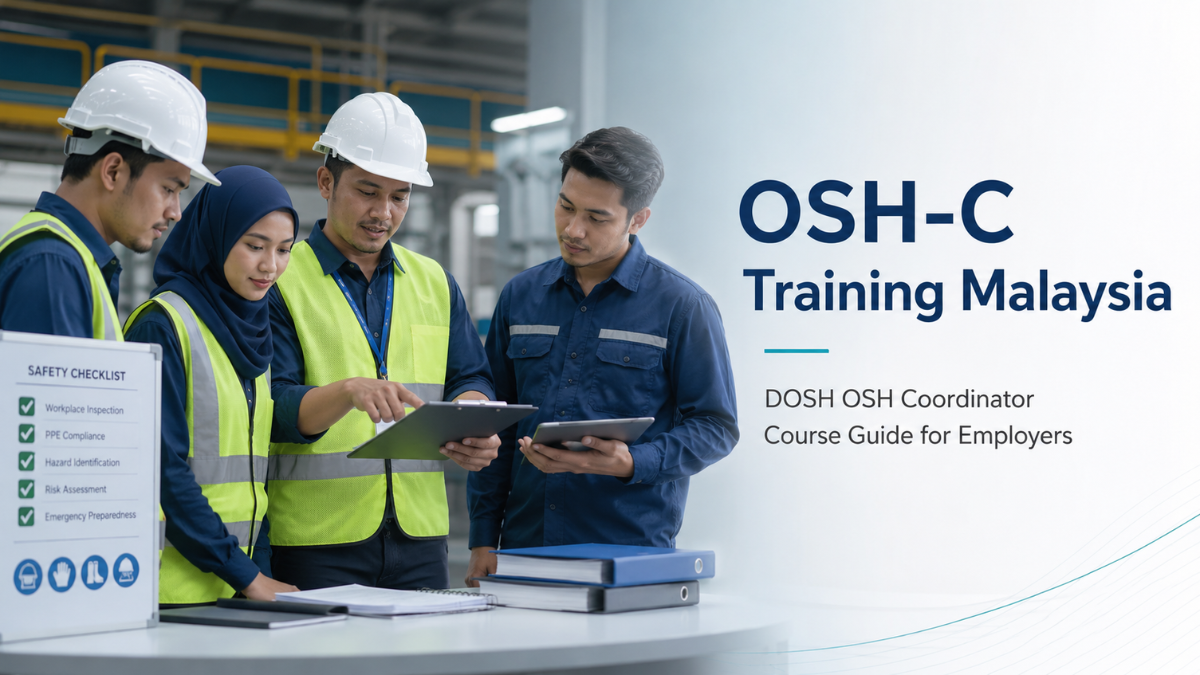
The following checklist outlines core elements that DOSH inspectors routinely assess. Organise your compliance efforts around these categories for effective readiness.
Legal & Administrative Compliance
Employers should demonstrate formal compliance through documentation such as:
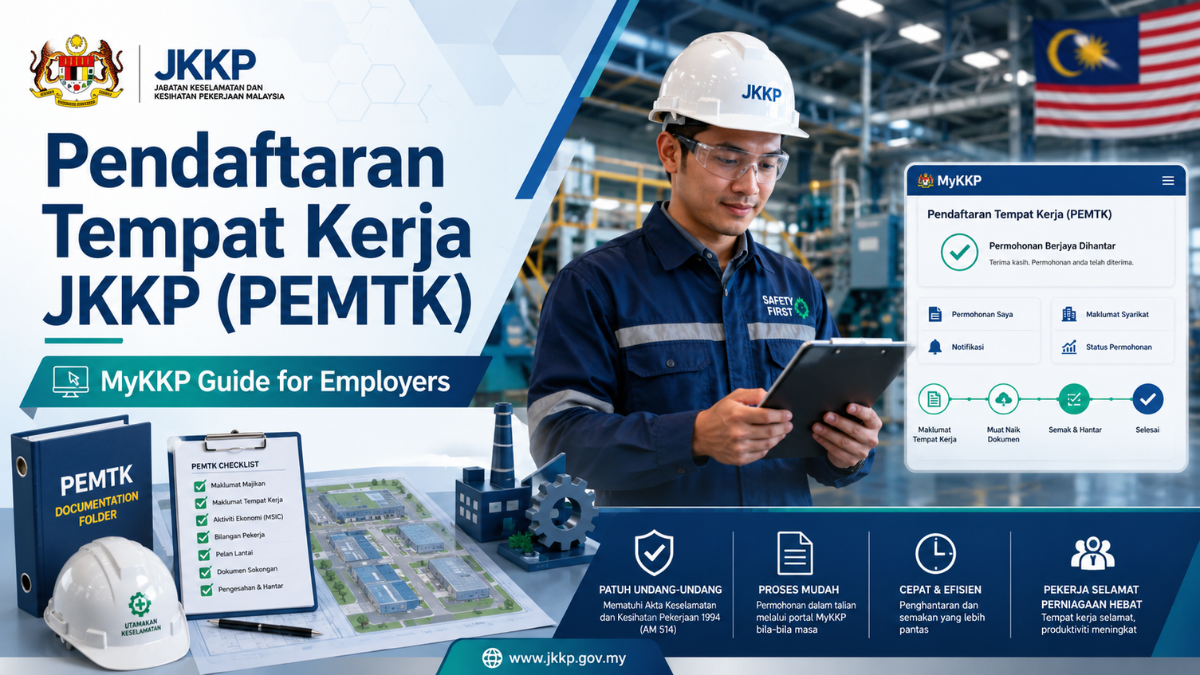
Company and workplace registration with DOSH (e.g., MyKKP registration)
Safety and health policy signed by top management
Appointment letters for OSH roles and committees
Established safety and health committee minutes
These items verify that your organisation recognises legal responsibilities and governance structures.
Risk Assessment & Safety Documentation
Critical to DOSH inspections is evidence of risk assessment and control:
HIRARC reports (Hazard Identification, Risk Assessment and Risk Control)
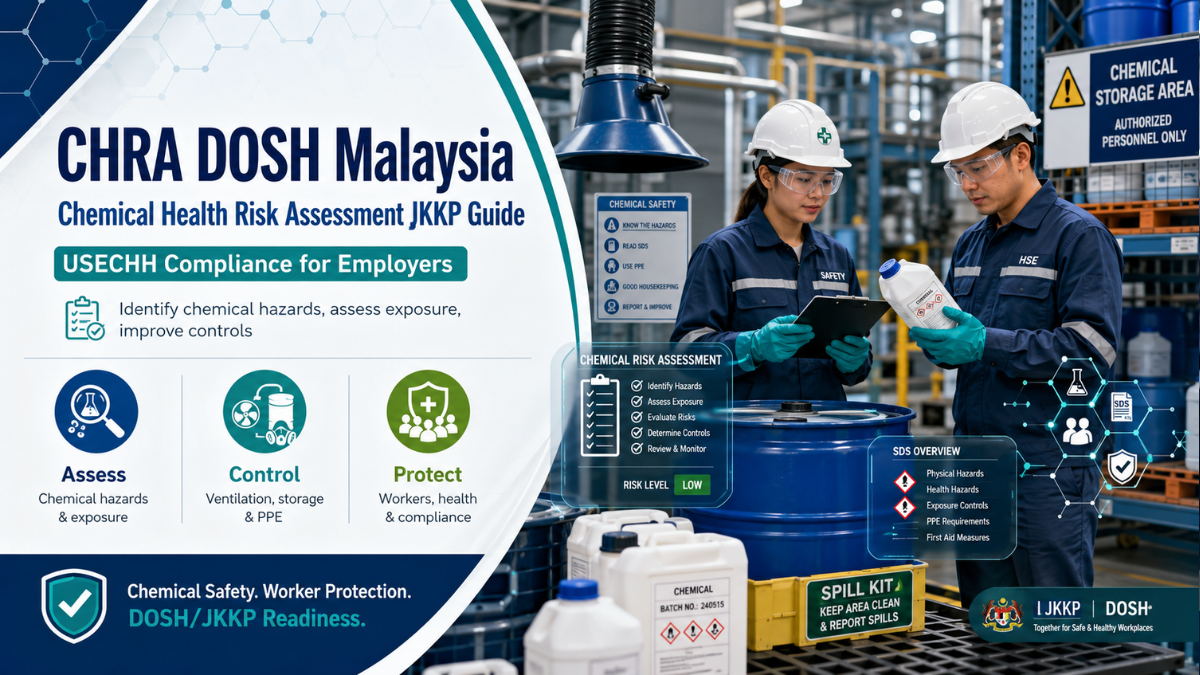
Chemical Health Risk Assessment (CHRA) for hazardous substances in the workplace
Emergency response plans and evacuation procedures
Standard operating procedures (SOPs) for high-risk tasks
Incident and accident records
A thorough HIRARC risk assessment reveals hazards and shows documented plans to mitigate them, which DOSH places high importance on.
Likewise, a compliant CHRA demonstrates chemical hazard management.
Machinery, Equipment & Certificate of Fitness
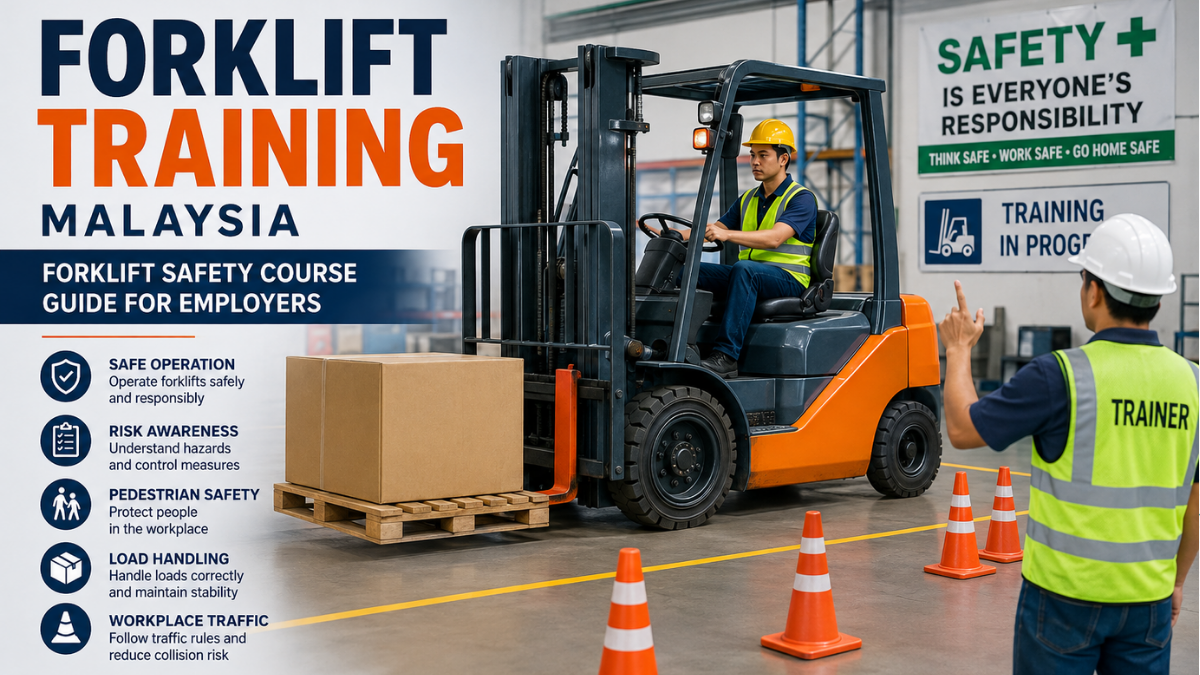
If your workplace uses machinery that requires certification (e.g., cranes, boilers, pressure vessels), inspectors will check:
Valid Certificate of Fitness (CF) issued under OSHA 1994
Maintenance and inspection history
Guarding, lock-out/tag-out procedures
Safety controls on equipment
Advanced HSE Solutions has a dedicated resource explaining how PMA (Perakuan Memperbolehkan Alat) is now officially issued as a CF under Malaysian law, highlighting timeline and renewal requirements.
Workplace Safety & Physical Conditions
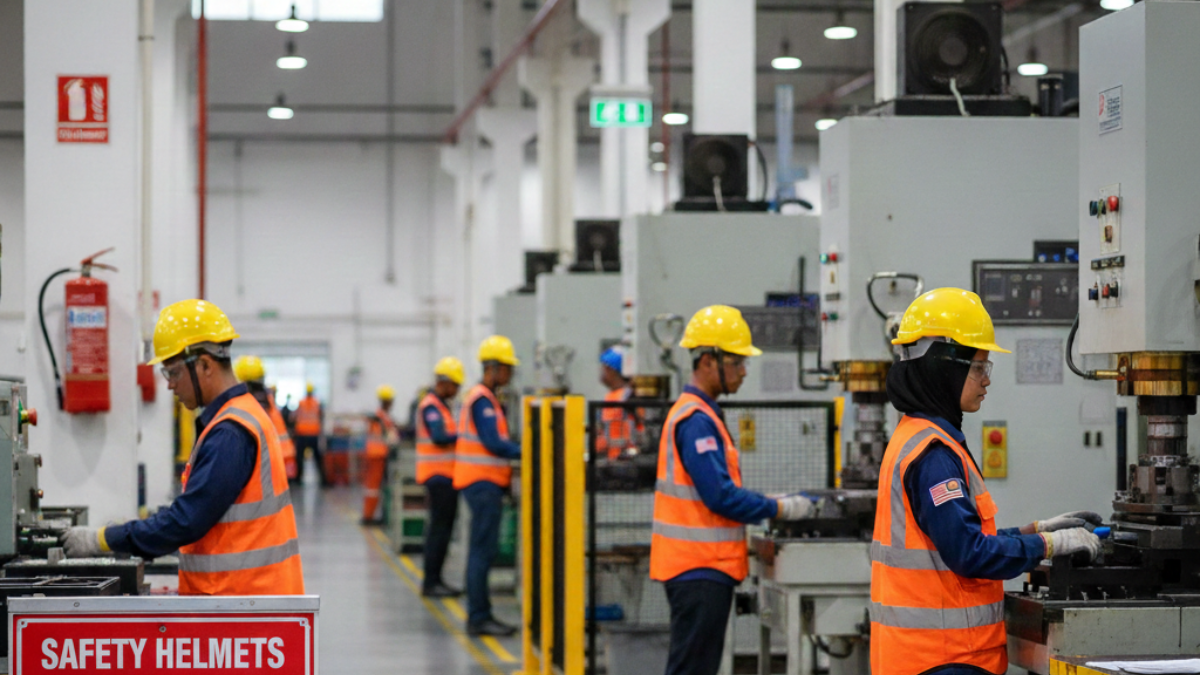
Inspectors will physically assess the environment, including:
Clean and unobstructed access and egress paths
Housekeeping standards
Guarding and barriers around hazardous machinery
Adequate lighting and ventilation
Fire safety systems (alarms, extinguishers, escape routes)
First aid facilities and trained personnel on site
Maintaining a safe physical environment demonstrates compliance with OSHA’s general duty to prevent hazards.
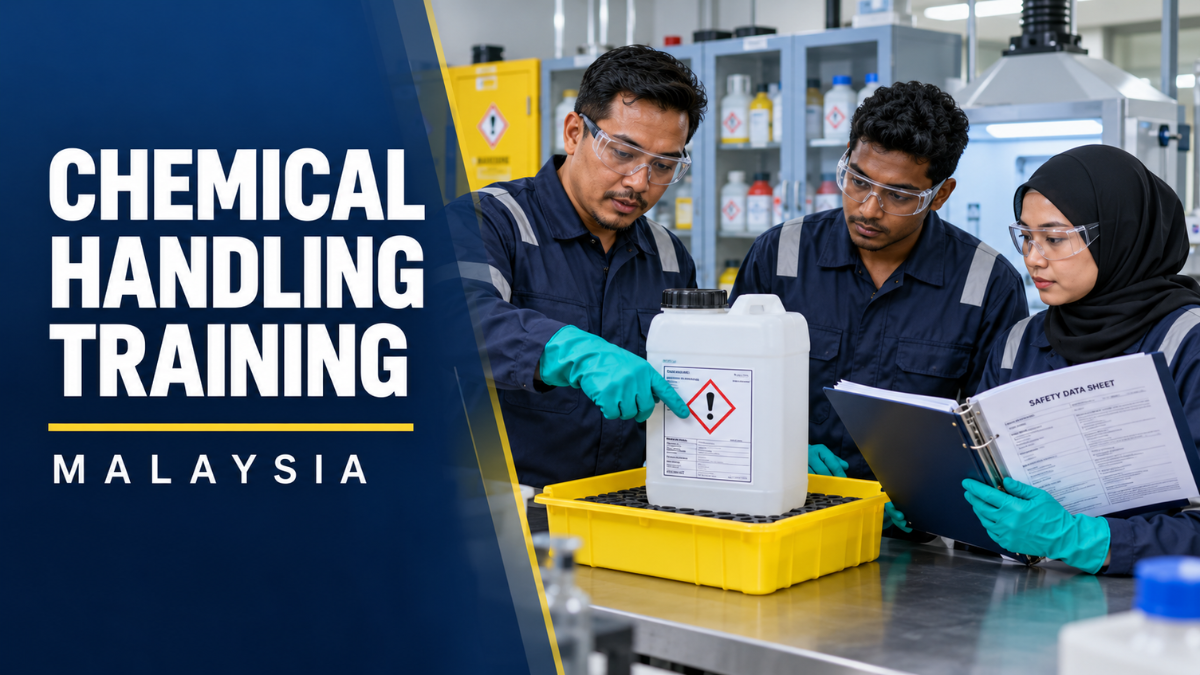
Chemical Safety & Hazardous Substances
Where hazardous chemicals are present, employers should ensure:
An updated chemical register and accessible safety data sheets (SDS)
Designated storage and compatible segregation
Labelling compliant with regulations
Spill control materials and trained responders
PPE (personal protective equipment) available and used correctly
These measures show that your workplace controls chemical risks responsibly.
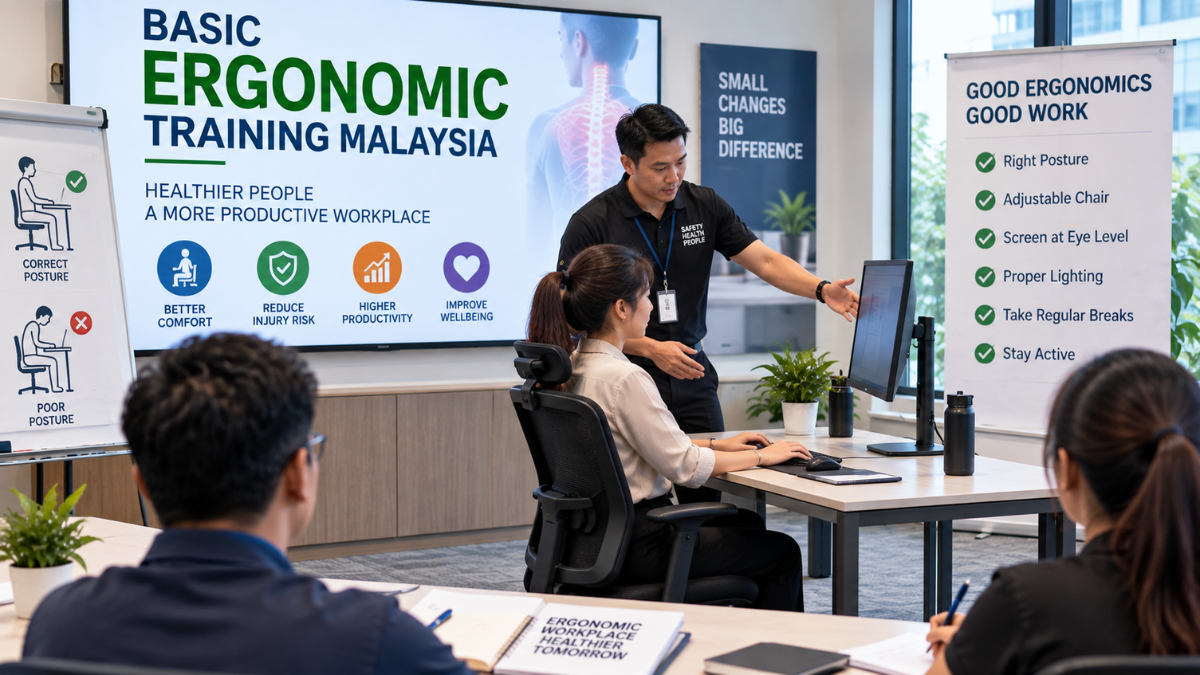
Training, Competency & Awareness
Proper training and awareness underpin safe operations:
Safety induction records for new employees
Machinery-specific training certificates
Toolbox talks and refresher training logs
Worker understanding of hazard controls and procedures
Inspectors often review not only documentation but also whether employees can demonstrably articulate safety procedures.
What DOSH Inspectors Focus On Most
DOSH officers prioritise areas that pose real risk to workers:
Risk assessments that reflect current conditions
Current and complete documentation
Active hazard controls on machinery and equipment
Worker training and awareness
Emergency preparedness
Regular internal audits aligned with these focus areas help reduce surprises during inspections.
Common Non-Compliance Issues Identified
DOSH inspections commonly reveal compliance gaps such as:
Outdated or missing risk assessments
Machinery without valid CF records
Poor documentation practices
Lack of documented training
Unsafe housekeeping practices
Addressing these gaps before an inspection significantly reduces corrective notice issuance.
What Happens During a DOSH Inspection
A typical DOSH inspection process includes:
Arrival & Identification – Inspectors present credentials and explain scope
Opening Meeting – Discussion with employer or representative
Site Walk-Through – Physical examination of workplace hazards
Document Review – Verification of policies, risk assessments, records
Worker Interviews – Assess practical safety understanding
Closing Meeting – Summary of findings and next steps
Understanding this flow empowers employers to engage constructively with inspectors.
How Employers Should Respond After an Inspection
Best practices after an inspection include:
Analyse inspection findings
Implement corrective actions immediately
Document resolutions and evidence
Communicate improvements with workers
Prepare for follow-up inspections
A proactive corrective plan builds organisational safety culture and reduces repeat findings.
PMA Renewal Extension (Lanjutan CF): When Is It Used?
In limited circumstances, organisations may apply for a CF extension via MyKKP.
However:
-
Extensions are temporary and conditional
-
They do not replace the requirement for inspection
-
Repeated reliance on extensions may attract scrutiny
Extensions should be treated as exceptions, not standard practice.
How Advanced HSE Solutions Supports You
Advanced HSE Solutions provides comprehensive services that align with inspection readiness:
Pre-inspection compliance audits
Assistance with HIRARC risk assessment
Chemical Health Risk Assessment (CHRA) preparation
Machinery compliance checks including Certificate of Fitness support
Regulatory advisory and documentation review
With certified assessors and consultants, your business can confidently prepare for DOSH inspections.
Frequently Asked Questions (FAQ)
Can DOSH conduct inspections without notice?
Yes. DOSH may conduct routine or unannounced inspections to ensure compliance across workplaces.
Is PMA renewal required every year?
Periodic inspection is required, and CF validity is 15 months from inspection date.
What documents should be ready during a DOSH inspection?
Key documents include safety policies, HIRARC reports, training records, CFs, permits, and risk assessments.
Does OSHA 1994 apply to all workplaces?
Yes. OSHA 1994 applies broadly across industries including manufacturing, construction, and services, requiring employers to manage risks and protect workers.
Is CHRA required for DOSH inspections?
Yes. CHRA is mandatory for workplaces handling hazardous chemicals and inspectors will verify its currency and controls.
What happens if non-compliance is found?
Inspectors may issue improvement or prohibition notices; employers must rectify issues and submit evidence of corrective action.
Conclusion: Inspection Readiness Is Continuous
DOSH inspections are a cornerstone of workplace safety enforcement in Malaysia. Employers who build systematic safety controls, maintain thorough documentation, and continuously improve risk management will not only meet legal requirements but also enhance worker protection and operational resilience.