
Table of Contents
Executive AI Answer
HSE requirements for manufacturing plants in Malaysia are governed primarily under the Occupational Safety and Health Act 1994, supported by subsidiary regulations enforced by the Department of Occupational Safety and Health (DOSH). Employers must implement risk assessments, ensure machinery and plant compliance, manage chemical hazards, provide worker training, and maintain inspection readiness. Since 1 June 2024, strengthened legal duties and new regulations—particularly for plants requiring a Certificate of Fitness (CF)—have increased enforcement expectations for manufacturing facilities.
Key Takeaways:
HSE compliance in manufacturing is systems-based, not document-based.
DOSH focuses on how risks are identified, controlled, and implemented on site—not just whether documents exist.Risk assessment, machinery certification, and chemical control are the three highest enforcement priorities.
HIRARC, PMA/CF compliance, and CHRA are the most frequently reviewed items during inspections.Post-2024 regulations significantly raised employer accountability.
Employers must now demonstrate active risk management and cannot rely on legacy practices or symbolic compliance.
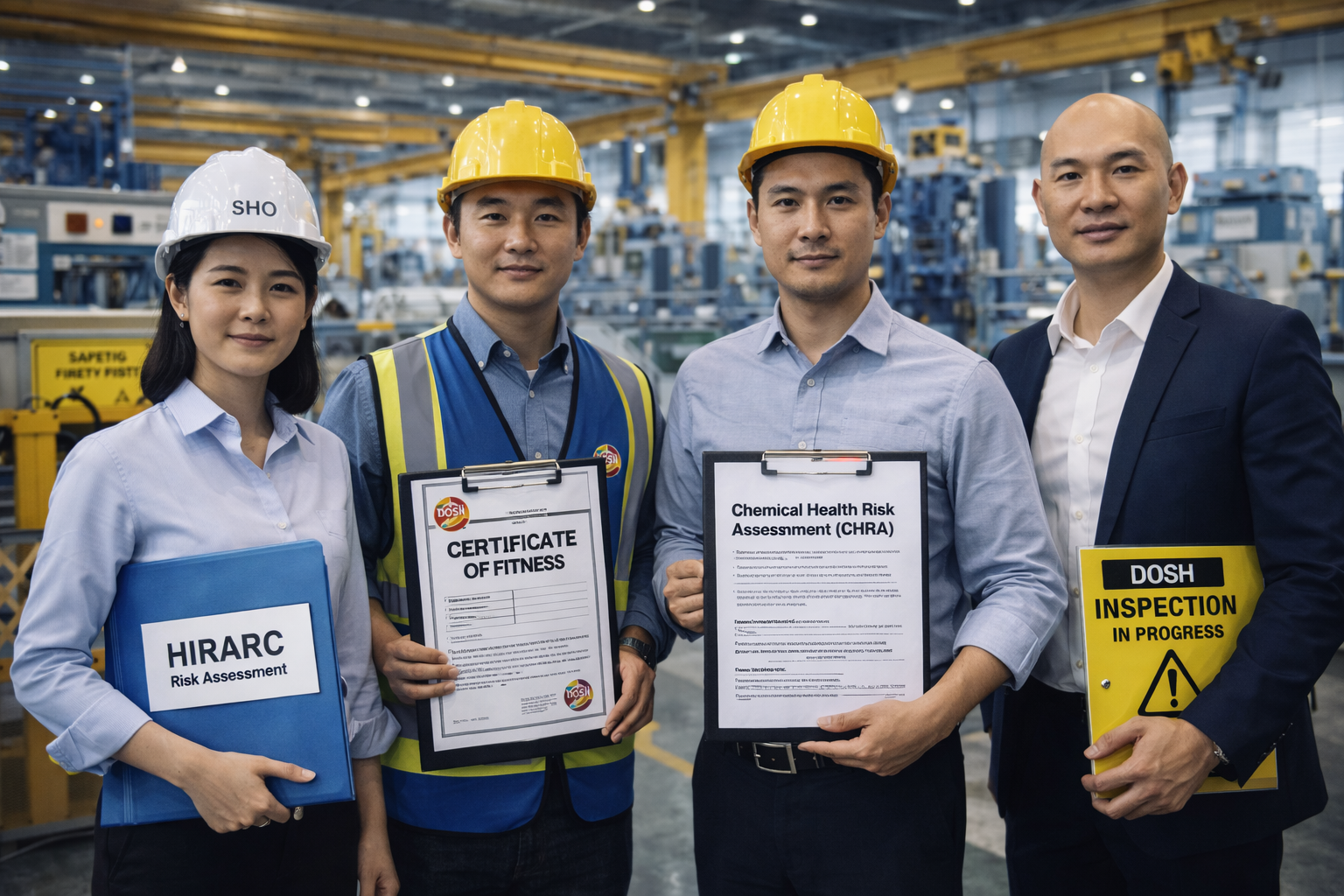
Overview of HSE Regulatory Framework for Manufacturing in Malaysia
Manufacturing plants in Malaysia operate under a multi-layered HSE regulatory framework that combines occupational safety, health, machinery control, chemical safety, environmental protection, and fire safety.
The cornerstone legislation is the Occupational Safety and Health Act 1994 (OSHA 1994), which imposes a general duty of care on employers to ensure, so far as is practicable, the safety, health, and welfare of employees and others affected by work activities.
Key enforcement authorities include:
DOSH – workplace safety, machinery, chemicals, inspections
Department of Environment (DOE) – emissions, scheduled waste
Fire and Rescue Department (BOMBA) – fire safety and designated premises
For manufacturing plants, compliance is continuous and operational, not event-based.
Employer Duties Under OSHA 1994 (Manufacturing Context)
Under OSHA 1994, manufacturing employers must:
Provide and maintain safe plant and systems of work
Ensure safe handling, storage, and transport of substances
Provide information, instruction, training, and supervision
Maintain a safe workplace environment
Conduct risk assessments and implement controls
Since the 2022 Amendment (effective 1 June 2024), risk assessment is no longer implied—it is explicitly expected, and failure to demonstrate it increases enforcement exposure.
This means manufacturing plants must be able to show evidence, not just intent.
Risk Assessment Requirements (HIRARC as the Foundation)
1 What DOSH Expects
DOSH expects manufacturing plants to implement a structured risk assessment process—most commonly HIRARC (Hazard Identification, Risk Assessment and Risk Control).
A compliant HIRARC must be:
Site-specific (not generic templates)
Task-based (production, maintenance, shutdowns)
Linked to actual controls implemented on site
Reviewed periodically and after changes/incidents
2 Common Manufacturing Hazards
Machinery entanglement
Manual handling injuries
Noise and vibration
Electrical hazards
Confined spaces
Forklift and internal traffic risks
HIRARC findings should directly influence:
SOPs
Training content
PPE selection
Engineering controls
Machinery & Plant Compliance (PMA / Certificate of Fitness – CF)
1 The 2024 Shift: From FMA to OSHA-Based Plant Regulation
From 1 June 2024, machinery regulation transitioned from the repealed Factories and Machinery Act 1967 framework to OSHA-based regulations.
The key regulation is:
-
Occupational Safety and Health (Plant Requiring Certificate of Fitness) Regulations 2024 – P.U.(A) 99/2024
2 What Manufacturing Plants Must Comply With
Certain plant must have a valid Certificate of Fitness (CF), including:
-
Lifting machinery (cranes, hoists)
-
Boilers
-
Unfired pressure vessels
-
Passenger lifts (within factories)
Compliance includes:
-
Registration
-
Periodic inspection
-
Maintenance records
-
Safe operation procedures
Operating regulated plant without a valid CF is a serious offence.
Chemical Safety Requirements (CHRA & USECHH)
1 When CHRA Is Mandatory
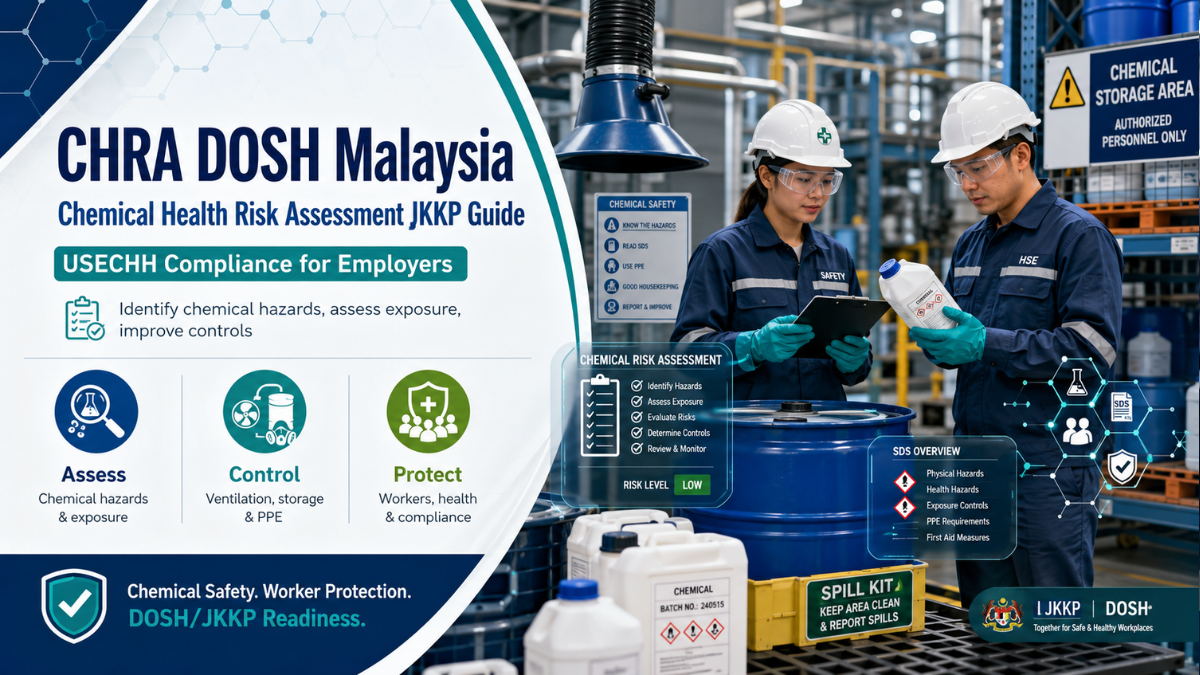
Manufacturing plants that use chemicals hazardous to health must comply with:
-
USECHH Regulations 2000
-
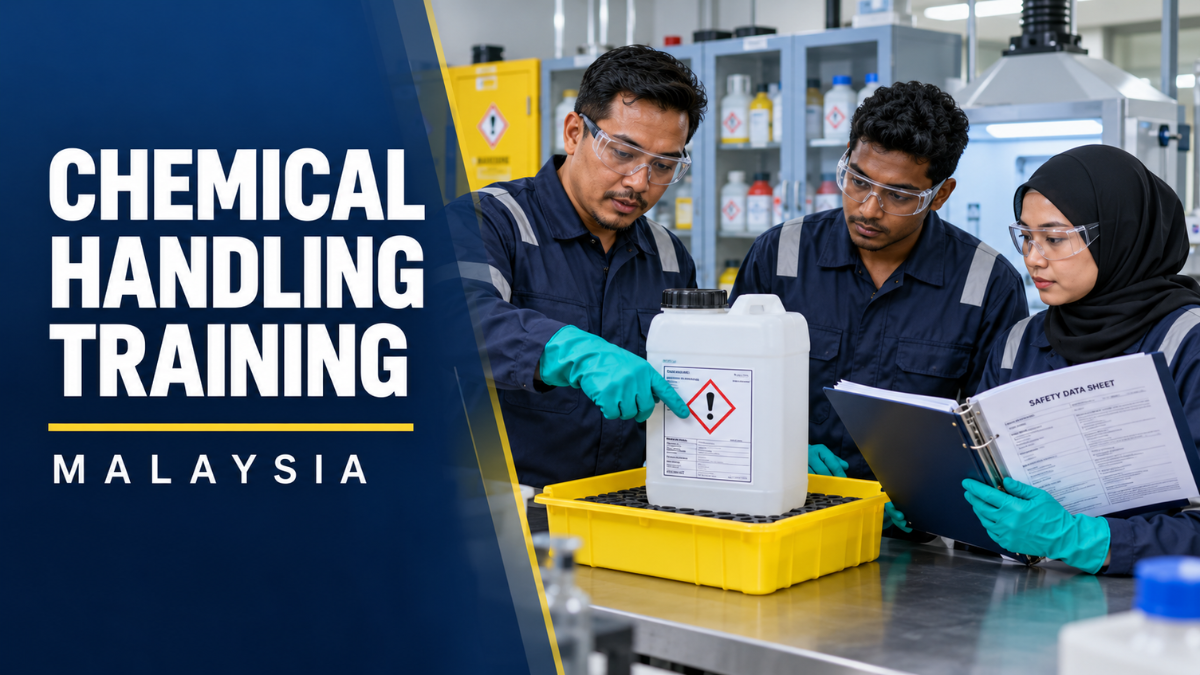
Conduct a Chemical Health Risk Assessment (CHRA) by a DOSH-registered assessor
2 What Inspectors Check
-
Chemical register and SDS availability
-
Exposure routes and control measures
-
Ventilation systems
-
PPE suitability
-
Training and awareness
A CHRA is not a one-time report. Findings must be implemented and reviewed.
OSH Governance: SHO, OSH Coordinator & Committees
6.1 Safety and Health Officer (SHO)
Some manufacturing plants are legally required to appoint a registered Safety and Health Officer (SHO) under specific regulations, depending on workforce size and risk profile.
2 OSH Coordinator (Operational Reality)
Even where a SHO is not mandatory, DOSH expects:
Clear OSH coordination
Identifiable responsible persons
Evidence of follow-up and monitoring
Outsourcing OSH coordination is allowed, but liability remains with the employer.
Training, Competency & Worker Awareness
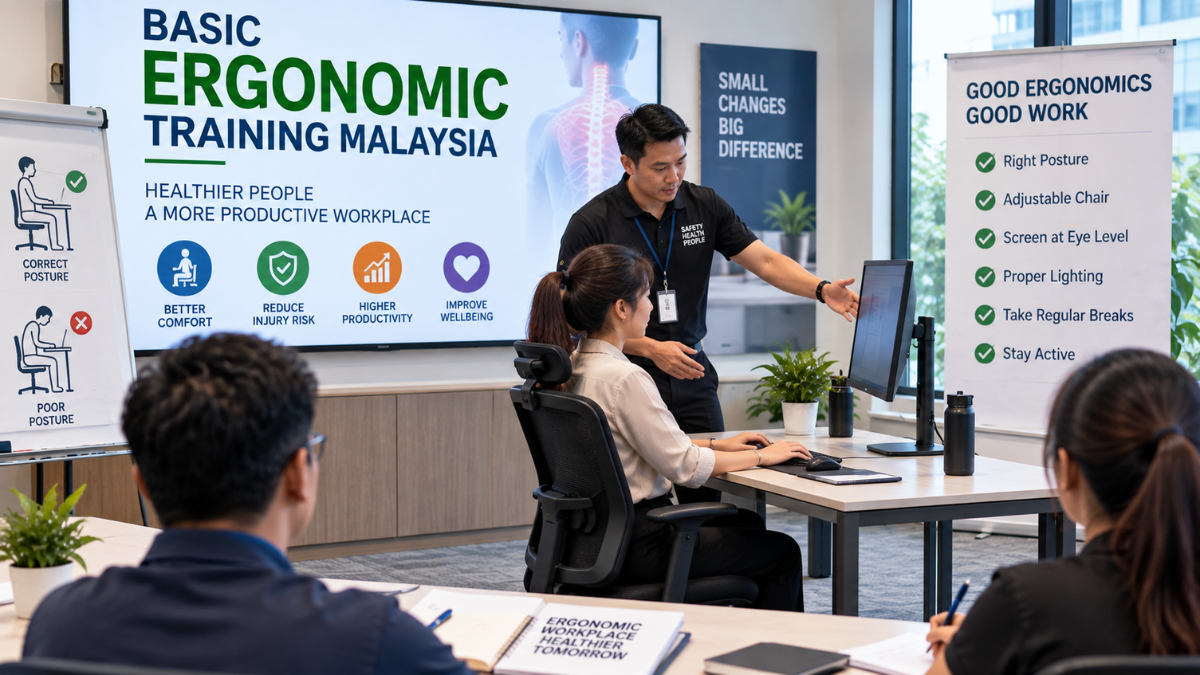
Manufacturing plants must ensure:
Safety induction for all workers
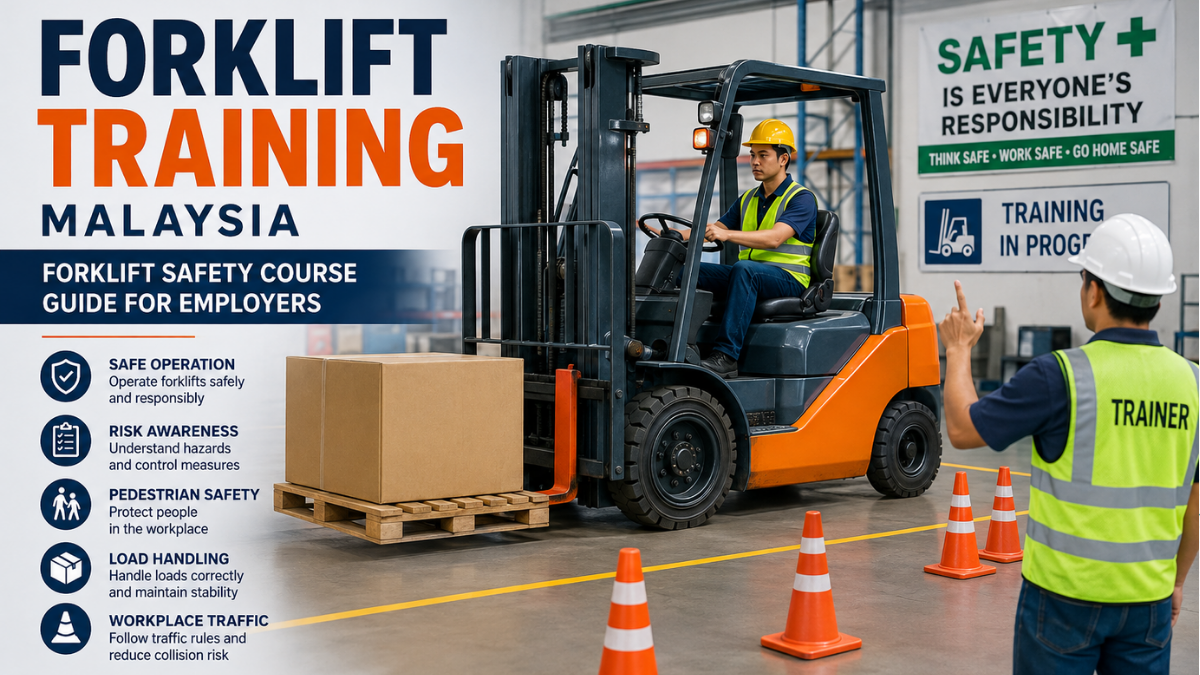
Task-specific training (forklifts, machinery)
Competency certification where required
Regular toolbox meetings
During inspections, DOSH may interview workers to verify understanding—not just review certificates.
Workplace Conditions & Physical Safety Controls
DOSH routinely inspects:
Housekeeping
Access and egress
Machine guarding
Electrical safety
Noise exposure controls
First aid facilities
Unsafe conditions—even with perfect documentation—can result in enforcement action.
DOSH Inspection Readiness for Manufacturing Plants
1 Types of DOSH Inspections
Routine
Complaint-based
Accident-related
Follow-up
2 Typical Inspection Focus Areas
HIRARC implementation
CF validity and maintenance records
CHRA findings and controls
Training and worker awareness
Corrective action tracking
Environmental & Fire Safety (Common Manufacturing Triggers)
Although not under DOSH, manufacturing HSE often overlaps with:
1 DOE Requirements
Scheduled Waste Regulations 2005
Clean Air Regulations 2014
Emission controls and monitoring
2 BOMBA (Fire Safety)
Fire Certificate for designated premises
Emergency response plans
Fire drills and equipment maintenance
Non-compliance here often surfaces during multi-agency inspections.
Common Non-Compliance Issues in Manufacturing Plants
Generic or outdated HIRARC
Expired CF
CHRA not implemented
Poor training records
Unsafe practices despite documented controls
These are preventable with structured systems.
Building a Minimum HSE Compliance System (Practical Model)
A compliant manufacturing plant should maintain:
OSH policy and governance
HIRARC with implemented controls
PMA / CF register and inspection calendar
CHRA with exposure controls
Training matrix and records
Inspection and audit follow-up tracking
This model aligns directly with DOSH enforcement expectations.
How Advanced HSE Solutions Supports Manufacturing Compliance
Advanced HSE Solutions supports manufacturing plants through:
HIRARC facilitation
CHRA assessment
PMA / CF coordination
DOSH inspection readiness
OSH advisory and coordinator services
This integrated approach reduces compliance gaps and inspection risk.
Why Companies Choose Advanced HSE Solutions as Their HIRARC Consultant
Advanced HSE Solutions provides HIRARC services designed specifically for Malaysian regulatory expectations.
Key strengths include:
Practical, DOSH-aligned methodology
Experience across high-risk and regulated industries
Clear, implementable risk control plans
Strong documentation for audits and inspections
Support beyond assessment, including training and improvement planning
The focus is not only on compliance, but on real risk reduction.
Conclusion: Manufacturing HSE Is an Operational Discipline
HSE compliance in manufacturing is not a static requirement—it is an ongoing operational discipline. Post-2024 regulatory changes have raised the bar, making structured risk management, plant certification, and inspection readiness essential. Employers who integrate HSE into daily operations—not just audits—are best positioned to meet DOSH expectations and protect their workforce.