Table of Contents
What ESG Means for SMEs
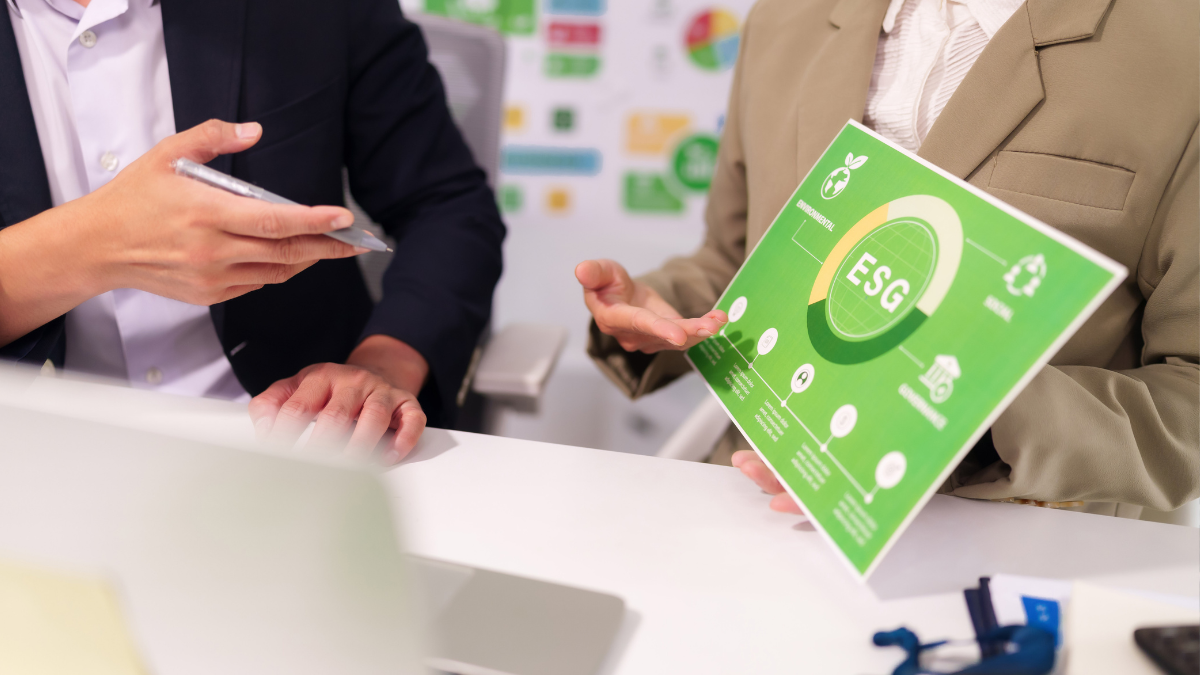
ESG covers three areas.
Environmental. Social. Governance.
Environmental covers how your business handles energy, waste, water, emissions, and resources.
Social covers safety, labour practices, welfare, and training.
Governance covers ethics, anti corruption measures, internal controls, and documentation.
Large companies have followed ESG for years. In 2026, more SMEs will need to show ESG compliance because they sit inside larger supply chains. You may need to provide documents, policies, or data to keep working with certain buyers or banks.
Key Takeaways:
ESG certification for SMEs in Malaysia becomes a direct requirement in 2026 as buyers, banks, and GLCs tighten their screening criteria.
SMEs that prepare early with proper policies, data, and governance records gain better access to tenders, financing, and export markets.
A simple step by step ESG plan, with basic documentation and practical improvements, helps SMEs meet new expectations without high cost.

Why ESG Becomes Critical in 2026
1. Stronger global buyer requirements
If you export to the EU, US, or Japan, you will face new rules in 2026.
The EU Green Deal is entering a stricter phase. Importers will ask their suppliers for carbon data, waste data, and safety information. Low ESG scores can delay shipments or reduce your chance of securing orders.
The EU is also rolling out the Carbon Border Adjustment Mechanism. It affects products with high carbon intensity. Industries like steel, aluminium, cement, fertiliser, and electricity face the strongest impact. Even if your product is not in these groups, buyers will still request ESG documentation to protect their supply chain.
US and Japanese buyers are also tightening ESG checks. Japanese companies follow strict guidelines on labour and safety. They will request evidence of fair practices from their suppliers. All these changes push Malaysian SMEs to have proper ESG records.
2. Banks in Malaysia introduce stronger ESG scoring
Banks in Malaysia have started using ESG scoring for new loans and refinancing. This includes Maybank, CIMB, RHB, Hong Leong, and Bank Islam.
You may notice the following in 2026:
Lower interest rates for companies with strong ESG.
Higher interest rates for companies with weak ESG.
More questions during loan assessments.
Requests for environmental and safety records.
Requests for governance documents.
Bank Negara has issued Climate Risk Management guidelines. By 2026, banks will apply these guidelines more strictly. SMEs that cannot show proper safety, environmental, or governance controls will sit in a higher risk category. High risk means tougher loan terms.
3. ESG affects tender success
If you supply to GLCs or MNCs, ESG becomes a direct requirement. Many large organisations already screen suppliers using ESG criteria. In 2026, the score will matter more.
Examples include:
- Petronas.
- Tenaga Nasional.
- Telekom Malaysia.
- Multinational factories in Malaysia.
- Large construction groups.
These companies ask for documents like:
- ISO 14001.
- ISO 45001.
- Employee welfare records.
- Safety performance reports.
- Energy and waste information.
If two suppliers offer similar pricing, the buyer will choose the supplier with stronger ESG compliance. ESG becomes a tie breaker for tenders.
4. Pressure from MNC supply chains
Multinational companies must report their full carbon footprint. This includes Scope 3 emissions. Scope 3 covers emissions created by suppliers.
This means your buyers will request data from you.
Examples include:
- Electricity usage.
- Fuel usage.
- Waste generation.
- Accident records.
- Safety training programs.
- Labour compliance documentation.
If you cannot supply the data, you risk losing the account. Factories in Malaysia that export electronics, automotive parts, food products, furniture, or chemicals will feel this strongly in 2026.
5. Competitive positioning
ESG helps SMEs stand out. Many buyers prefer vendors with proper safety records, clean operations, and good governance. ESG is proof that you manage your business well. It supports trust. It improves your brand strength when speaking to new buyers, banks, and partners.
Benefits of ESG for Malaysian SMEs
ESG brings practical benefits.
You can:
- Reduce operational risk.
- Lower the chance of accidents.
- Avoid penalties from regulators.
- Reduce wastage.
- Use energy more efficiently.
- Improve staff retention.
Companies with proper policies and controls work more smoothly. They also face fewer surprises. A structured system makes daily operations easier.
ESG Standards SMEs Should Follow in 2026
You do not need every standard. Pick the ones that match your industry.
ISO 14001
Covers environmental management. Works for factories, workshops, construction, and any business with waste or emissions.
ISO 45001
Covers occupational safety. Important for any industry with machinery, chemicals, noise, or manual labour.
ISO 9001
Covers quality and governance. Helps set up documentation, controls, and defined processes.
GRI Standards
Used for ESG reporting. Common among exporters.
SIRIM Eco Label
Useful for consumer products with environmental claims.
Green Building Index
Useful for property and construction related work.
A simple table can guide decision making.
Environmental
ISO 14001
GRI
SIRIM Eco Label
Social
ISO 45001
Labour compliance records
Safety performance records
Governance
ISO 9001
Anti corruption documents
Internal controls and policies
How SMEs Can Start ESG in 2026
You can follow a clear step by step approach. This avoids confusion and reduces cost.
Step 1. ESG readiness assessment
A gap analysis shows what you already have and what you need. It covers:
- Policies.
- Safety controls.
- Environmental data.
- Training records.
- Governance procedures.
This step helps you avoid spending on areas that do not matter. You only focus on actual gaps.
Step 2. Collect environmental and social data
Start recording basic information.
This includes:
- Electricity usage per month.
- Water usage per month.
- Types of waste.
- Weight of waste if possible.
- Diesel or petrol usage for operations.
- Number of safety incidents.
- Number of safety training sessions.
Most SMEs already have this information. They only need to organise it.
Step 3. Improve key areas
Focus on improvements that give fast results.
Examples include:
- Install safety signage.
- Provide PPE consistently.
- Track waste and recycle when possible.
- Fix leaks or high energy usage points.
- Set simple procedures for handling chemicals.
- Keep records of worker welfare.
- Small changes lead to better ESG scores.
Step 4. Prepare ESG documentation
You need clear and simple documents such as:
- Environmental policy.
- Safety policy.
- Anti corruption policy.
- Standard operating procedures.
- Incident reporting forms.
- Training records.
- Waste records.
- Energy data.
These documents prove that your business follows proper systems.
Step 5. Prepare for certification or reporting
Choose the path that suits your business.
Certification
ISO 14001
ISO 45001
ISO 9001
Reporting
GRI Standards
Buyer specific templates
An auditor or consultant can guide you through the final steps.
Common Challenges and How to Solve Them
Many SMEs face similar issues.
Lack of internal expertise
Solution
Start with a consultant who prepares the structure. Train one staff to maintain the documents.
Limited budget
Solution
Focus on low cost improvements first. You do not need major upgrades to start ESG. Good documentation already helps.
Lack of data
Solution
Collect simple data monthly. Use spreadsheets. This keeps the cost low.
Unclear expectations from buyers
Solution
Ask your buyer for their ESG checklist. Most will provide it when requested.
Resistance from staff
Solution
Explain how ESG improves safety and avoids penalties. Show how it protects jobs by meeting buyer requirements.
Why Early Action Matters
Many SMEs will wait until a buyer or bank requests ESG information. This puts them under pressure and leads to rushed decisions. Starting early allows you to prepare your documents and fix gaps at your own pace. Buyers prefer suppliers who act early. It shows commitment and responsibility.
Your competitors are also preparing. Early action helps you stay ahead in tenders, sourcing lists, and export approvals.
How Advanced HSE Solutions Supports SMEs
Advanced HSE Solutions provides full ESG support for SMEs in Malaysia. Services include:
- ESG advisory.
- Gap analysis.
- Data collection system setup.
- ISO 14001, ISO 45001, and ISO 9001 preparation.
- Environmental and safety monitoring.
- Governance documentation.
- ESG reporting.
- Training for internal staff.
The goal is to help your business meet 2026 requirements with clear steps. You receive structured guidance without unnecessary cost.
FAQ
Q1: Do SMEs need ESG in 2026?
Yes. More buyers, banks, and regulators expect ESG compliance. Even if you do not export, you may still need ESG for tenders or financing.
Q2: Is ESG required by law?
Some parts are already required under existing safety and environmental laws. Full ESG is not mandatory for all sectors in 2026, but it is required by many buyers and banks.
Q3: How long does ESG preparation take?
Most SMEs need one to six months, depending on their size and industry.
Q4: Can small businesses afford ESG?
Yes. The cost depends on the scope. Many SMEs start with basic policies and controls, then scale up when needed.
Q5: What documents do SMEs need?
Policies, safety records, environmental data, governance controls, and training records.