Table of Contents
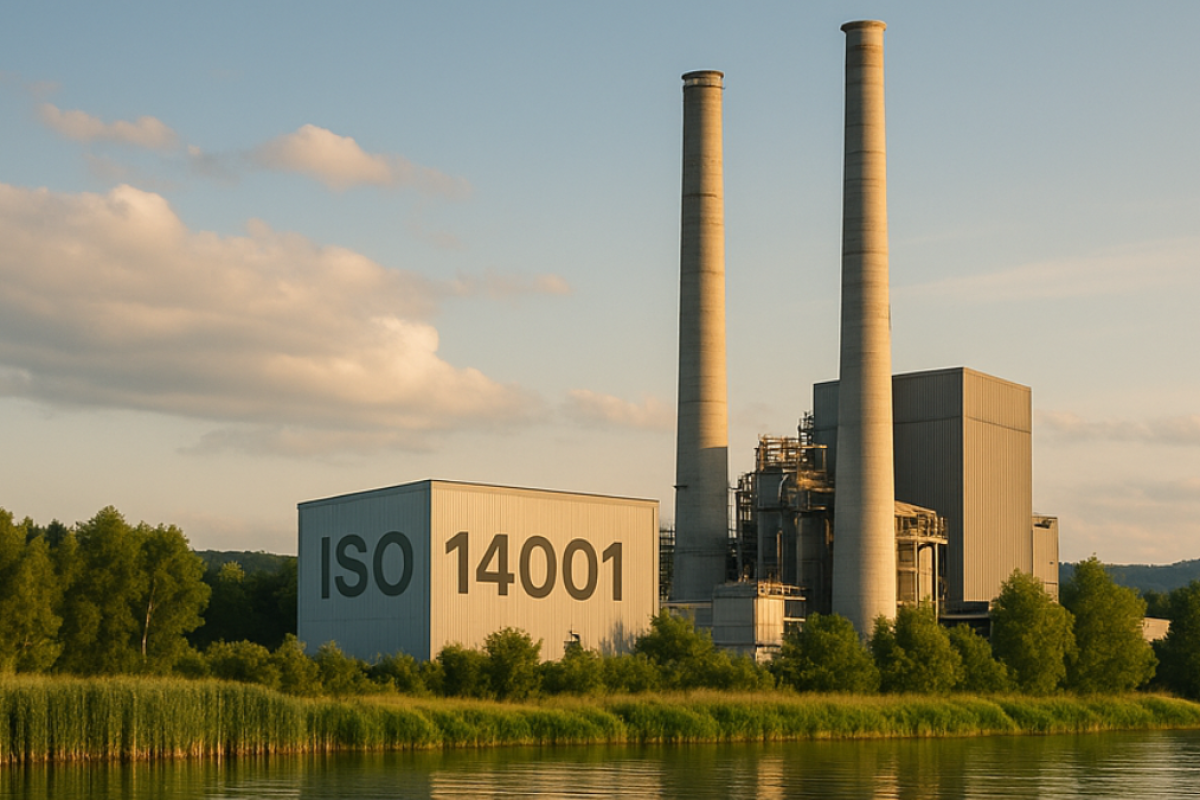
ISO 14001 is the main standard for environmental management. Many Malaysian companies now use it to control waste, energy, emissions, and compliance. If you run a business, you will face stronger pressure to adopt ISO 14001 in 2026. Buyers, banks, and regulators expect clear environmental controls and records. ISO 14001 helps you meet these expectations in a structured and practical way.
Key Takeaways:
ISO 14001 strengthens environmental compliance and meets rising expectations from buyers, banks, and regulators.
The certification process follows clear steps, from gap analysis to annual surveillance audits.
SMEs can achieve ISO 14001 with simple documentation, proper monitoring, and consistent training.
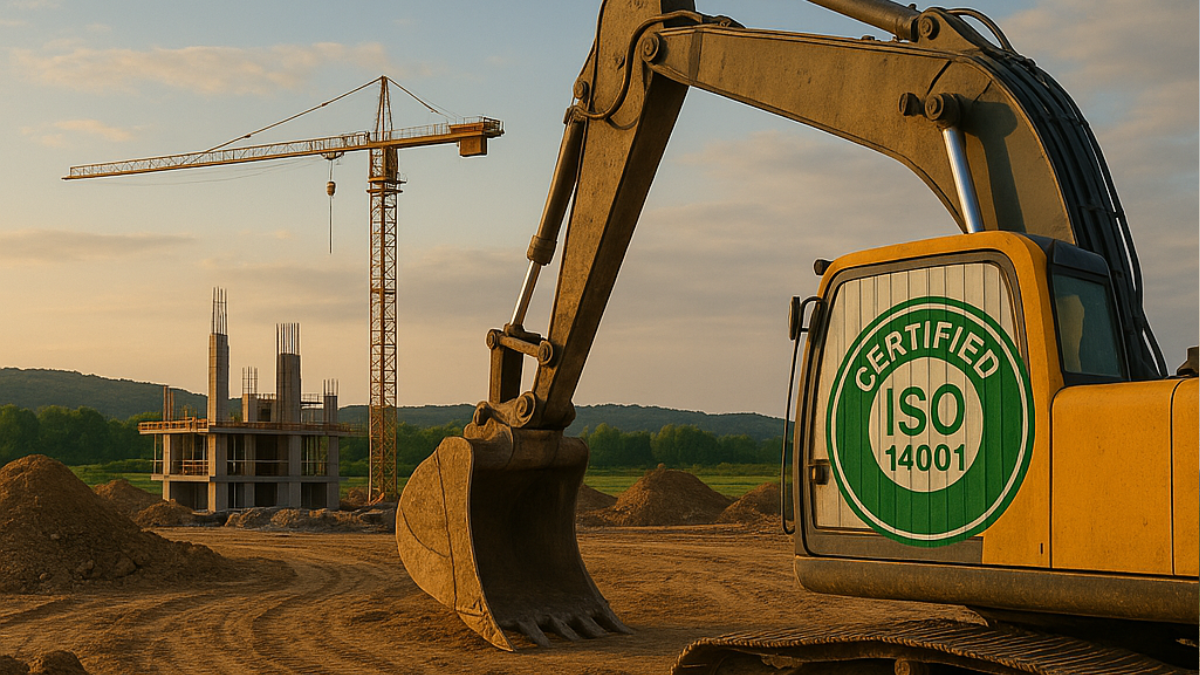
What ISO 14001 Means
ISO 14001 sets clear rules for an Environmental Management System. It helps you manage environmental risks through policies, procedures, and consistent monitoring. You use it to track how you use energy, water, chemicals, and raw materials. You also use it to manage waste, noise, and emissions.
The goal is simple. Control your environmental impact. Improve compliance. Maintain clear documentation.
Why ISO 14001 Matters in Malaysia
Stronger Enforcement by DOE
The Department of Environment continues to increase inspection activity. Companies that cannot show environmental controls face higher risk of compound or stop work action. ISO 14001 provides structure. It helps you manage legal requirements, records, and emergency plans. Compliance improves when your team follows a structured system.
Pressure From Global Supply Chains
Exporters must meet stricter buyer requirements. Many foreign buyers request ISO 14001 as a basic qualification. They want suppliers who manage waste and emissions. This is common in electronics, automotive, timber, and food industries.
Large companies collect environmental data from suppliers. ISO 14001 helps you document this data in a consistent format.
Benefits of ISO 14001 for Malaysian Companies
- You gain clear operational benefits.
- You reduce waste.
- You improve safety around chemicals.
- You manage legal risks.
- You reduce unexpected incidents.
ISO 14001 also helps you save cost. You track usage of water, electricity, and raw materials. This gives you a clear view of where waste occurs. Many SMEs reduce resource use by 5 to 15 percent once they record usage monthly.
Industries in Malaysia That Need ISO 14001 Most
- Factories with chemical handling.
- Food and beverage production.
- Oil and gas support services.
- Construction companies.
- Transport and logistics.
Warehousing. - Recycling and waste services.
- Electronics and automotive parts.
These industries face strict buyer requirements and regulatory checks.
ISO 14001 Requirements in Malaysia
ISO 14001 has defined clauses. You must prepare:
- Environmental policy.
- Objectives and targets.
- Operational controls for waste, energy, and chemicals.
- Monitoring and measurement plans.
- Legal register.
- Emergency response plan.
- Internal audit procedure.
Management review.
These requirements help you show that your company controls environmental risks.
ISO 14001 Certification Process in Malaysia
Step 1. Gap Analysis
You compare your current system with ISO 14001 requirements. You find missing documents, unclear controls, and weak monitoring. A short gap report guides your next steps.
Step 2. Document Preparation
You prepare required policies and procedures. You set up a legal register. You create checklists to record energy use, waste, and chemical handling.
Step 3. Implementation
You train your team. You run monitoring and inspection activities. You keep records of energy usage, waste disposal, incidents, supplier checks, and emergency drills.
Step 4. Internal Audit
You perform an internal audit to confirm compliance before certification.
Step 5. Certification Audit
Audit bodies run Stage 1 and Stage 2 audits.
Stage 1 checks your documents.
Stage 2 checks your site and records.
Step 6. Surveillance Audit
Audit bodies visit once a year to confirm that you maintain the system.
Cost of ISO 14001 Certification in Malaysia
- Costs vary by company size.
- Small companies typically spend a few thousand ringgit for audits.
- Larger companies may spend more.
- Consultation and training add cost depending on scope.
You may also need minor upgrades to waste handling or storage areas.
How Long ISO 14001 Takes for Malaysian SMEs
- Most SMEs complete certification in one to six months.
- Small offices and service businesses complete faster.
- Factories with heavy machinery or chemicals take longer.
Common Mistakes Companies Make With ISO 14001
- No legal register.
- Weak monitoring records.
- Insufficient training for staff.
- No internal audit before certification.
- Poor control of waste storage.
- Incomplete emergency response plans.
These issues delay certification.
ISO 14001 vs ESG Requirements
ISO 14001 supports the environmental section of ESG. ESG covers environmental, social, and governance criteria. ISO 14001 focuses only on environmental control. Many companies use ISO 14001 to strengthen ESG reporting.
How Advanced HSE Solutions Supports ISO 14001
Advanced HSE Solutions provides full support for ISO 14001 in Malaysia.
This includes:
- Gap analysis.
- Document preparation.
- On site implementation support.
- Internal audit.
- Certification guidance.
- Environmental monitoring.
- Integration with ESG requirements.
You receive a clear path from the first assessment until certification.
FAQ
Q1: Is ISO 14001 mandatory?
It is not a legal requirement for all industries, but many tenders and buyers require it.
Q2: Who issues ISO 14001?
Accredited certification bodies in Malaysia.
Q3: Can SMEs get ISO 14001?
Yes. Many SMEs adopt ISO 14001 for tender and buyer requirements.
Q4: How long does it take?
One to six months depending on size and readiness.
Q5: How much does it cost?
Cost depends on company size and number of sites.