Table of Contents
Quick Answer
OSH-C Training, also known as OSH Coordinator Training, is a prescribed safety and health course for employees who will act as Occupational Safety and Health Coordinators at the workplace.
In Malaysia, the OSH Coordinator helps the employer manage basic workplace safety and health matters, including OSH documentation, hazard reporting, workplace inspection support, safety promotion, incident follow-up and DOSH/JKKP compliance coordination.
For many SMEs and workplaces with five or more employees, appointing a trained OSH Coordinator is an important requirement under Malaysia’s updated occupational safety and health framework.
Key Takeaways:
- OSH-C stands for Occupational Safety and Health Coordinator.
- OSH-C Training prepares an employee to coordinate workplace safety and health matters.
- DOSH/JKKP states that OSH Coordinators should complete a prescribed course conducted by a registered training centre.
- Many workplaces with five or more employees should review whether they need to appoint an OSH Coordinator.
- OSH Coordinator is not the same as Safety and Health Officer.
- OSH-C Training should cover OSH law, hazard identification, HIRARC, workplace inspection, incident reporting, emergency preparedness and documentation.
- Employers should issue an appointment letter after training and define the OSH Coordinator’s duties.
- OSH-C Training may be HRD Corp claimable for eligible employers, depending on provider arrangement and approval status.
- The trained OSH Coordinator needs management support to perform the role properly.
- Advanced HSE Solutions can support OSH-C Training, registration coordination, post-training action planning and DOSH/JKKP inspection readiness.
What Is OSH-C Training?
OSH-C Training means Occupational Safety and Health Coordinator Training.
It is also commonly searched as:
- OSH-C Training Malaysia
- OSH Coordinator Training Malaysia
- DOSH OSH Coordinator course
- JKKP OSH Coordinator training
- Penyelaras Keselamatan dan Kesihatan Pekerjaan course
- OSH-C course Malaysia
- OSH Coordinator certificate
- Trained Person for OSH Coordinator
- HRD Corp claimable OSH Coordinator training
The course is designed to train a workplace employee to assist the employer in coordinating occupational safety and health matters.
What Does OSH-C Stand For?
OSH-C stands for Occupational Safety and Health Coordinator.
In Bahasa Malaysia, OSH Coordinator is commonly referred to as Penyelaras Keselamatan dan Kesihatan Pekerjaan.
DOSH is the Department of Occupational Safety and Health Malaysia. In Bahasa Malaysia, DOSH is known as JKKP, or Jabatan Keselamatan dan Kesihatan Pekerjaan.
This is why employers may see both English and Malay terms used:
- OSH-C
- OSH Coordinator
- Penyelaras KKP
- Penyelaras Keselamatan dan Kesihatan Pekerjaan
- DOSH OSH Coordinator
- JKKP OSH Coordinator
For practical compliance, these terms refer to the same workplace safety coordination role.
Why OSH-C Training Matters
Many SMEs and smaller workplaces do not have a full-time Safety and Health Officer. However, they still have workplace safety and health risks.
OSH-C Training helps companies build internal OSH capability by training at least one employee to coordinate basic safety and health matters.
A trained OSH Coordinator can help the employer:
- Organise OSH documents
- Support workplace hazard identification
- Assist with HIRARC coordination
- Promote safe work practices
- Support workplace inspections
- Assist with accident and near-miss reporting
- Coordinate training records
- Follow up corrective actions
- Support Safety and Health Committee matters where applicable
- Improve DOSH/JKKP inspection readiness
- Strengthen day-to-day safety communication
The OSH Coordinator does not replace management responsibility. The employer remains responsible for workplace safety and health. However, the OSH Coordinator helps the employer manage OSH matters more systematically.
Legal Background: OSHA 1994 and OSH Amendment Act 2022
Malaysia’s occupational safety and health framework has expanded after the OSH (Amendment) Act 2022.
The correct way to describe the law is:
Occupational Safety and Health Act 1994, as amended by the OSH (Amendment) Act 2022.
For OSH Coordinator compliance, the key point is Section 29A. The requirement applies to employers who are not already required to appoint a registered Safety and Health Officer under the gazetted class or description of workplace, and who employ five or more employees at the workplace.
In practical terms, many SMEs and non-SHO workplaces should review whether they need to appoint and train an OSH Coordinator.
OSH Coordinator vs Safety and Health Officer
OSH Coordinator and Safety and Health Officer are not the same.
A Safety and Health Officer, or SHO, is a registered competent person required for certain gazetted classes or descriptions of workplaces.
An OSH Coordinator is normally appointed in workplaces that are not covered by the SHO requirement but still need basic OSH coordination.
In simple terms:
- SHO is a registered safety professional required for higher-risk or gazetted workplaces.
- OSH Coordinator is an appointed trained employee who helps coordinate OSH matters in workplaces where SHO may not be required.
- Employers should check whether their workplace requires an SHO, OSH Coordinator, Safety and Health Committee, or other specific competency.
OSH-C Training is suitable for companies that need to appoint an internal trained person to coordinate safety and health matters.
Who Needs OSH-C Training?
OSH-C Training is important for employers that need to appoint an OSH Coordinator.
It is especially relevant for:
- SMEs
- Offices
- Warehouses
- Workshops
- Retail operations
- Logistics companies
- Light manufacturing companies
- Commercial buildings
- Clinics and healthcare support workplaces
- Food and beverage premises
- Maintenance companies
- Engineering service providers
- Non-factory workplaces
- Workplaces with five or more employees that are not required to appoint an SHO
Employers should not assume that only factories need OSH compliance. The expanded OSH framework applies broadly to workplaces.
Who Should Attend OSH-C Training?
The participant should be a suitable employee who can help coordinate safety and health matters at the workplace.
Recommended participants include:
- Supervisors
- Line leaders
- HR personnel
- Admin personnel handling compliance records
- Operations executives
- Facility personnel
- Maintenance personnel
- Safety committee members
- Store or warehouse supervisors
- Production supervisors
- HSE assistants
- Employees appointed by management to coordinate OSH matters
The chosen person should be able to communicate with management and workers, organise documents, follow up actions and understand workplace operations.
What Does an OSH Coordinator Do?
The OSH Coordinator assists the employer in managing OSH matters.
Common responsibilities may include:
- Assist employer in OSH reporting
- Maintain basic OSH documentation
- Coordinate workplace safety records
- Support hazard identification
- Support HIRARC preparation and updates
- Help monitor corrective actions
- Promote OSH awareness
- Assist workplace inspections
- Support incident and near-miss reporting
- Coordinate training records
- Communicate OSH issues to management
- Help prepare for DOSH/JKKP inspection
- Support implementation of safety procedures
- Assist with safety campaigns and briefings
The role is practical and coordination-based. It is not just a certificate title.
What Should OSH-C Training Cover?
A good OSH-C Training programme should help participants understand both legal duties and practical workplace implementation.
Recommended modules include the following.
1. Introduction to Occupational Safety and Health
Participants should understand the purpose of occupational safety and health.
This section should cover:
- Meaning of OSH
- Importance of workplace safety
- Common workplace hazards
- Accident prevention
- Employer and employee responsibilities
- Role of DOSH/JKKP
- Importance of prevention culture
The goal is to help participants understand that OSH is part of daily workplace management.
2. Legal Overview
OSH-C Training should introduce participants to Malaysia’s occupational safety and health framework.
Topics may include:
- Occupational Safety and Health Act 1994
- OSH Amendment Act 2022
- Employer duties
- Employee duties
- Risk assessment duties
- OSH Coordinator requirement
- Safety and Health Officer requirement overview
- Safety and Health Committee overview
- DOSH/JKKP enforcement and inspection
Participants do not need to become lawyers, but they must understand the basic compliance responsibilities.
3. Role and Responsibilities of OSH Coordinator
This module should explain what the OSH Coordinator is expected to do at the workplace.
Topics may include:
- OSH documentation
- Reporting support
- Workplace inspection support
- Hazard reporting
- Safety communication
- Corrective action follow-up
- Training coordination
- Worker awareness support
- Management reporting
- Coordination with DOSH/JKKP where needed
This section is important because many companies appoint an OSH Coordinator but do not clearly define the person’s duties.
4. Hazard Identification
OSH Coordinators should know how to recognise workplace hazards.
Common hazard categories include:
- Machinery hazards
- Electrical hazards
- Chemical hazards
- Physical hazards
- Ergonomic hazards
- Fire hazards
- Manual handling hazards
- Forklift and traffic hazards
- Slips, trips and falls
- Working at height hazards
- Confined space hazards
- Environmental hazards
- Psychosocial hazards
The training should use practical examples from workplaces such as factories, offices, warehouses, workshops and commercial premises.
5. HIRARC Awareness
HIRARC stands for Hazard Identification, Risk Assessment and Risk Control.
An OSH Coordinator should understand the basic HIRARC process because risk assessment is one of the foundations of workplace safety management.
Training should cover:
- Work activity classification
- Hazard identification
- Possible effects
- Existing controls
- Likelihood and severity
- Risk rating
- Risk control
- Action plan
- Review and update
The OSH Coordinator may not conduct all HIRARC work alone, but should be able to coordinate and maintain the process.
6. Workplace Inspection
Workplace inspection is a practical OSH activity.
Training should cover how to inspect:
- Housekeeping
- Walkways
- Emergency exits
- Fire extinguishers
- First aid box
- Electrical safety
- Machinery guarding
- Chemical storage
- PPE use
- Warning signage
- Forklift and traffic routes
- Workstation conditions
- Unsafe acts and unsafe conditions
The OSH Coordinator should know how to record findings and follow up corrective actions.
7. Accident and Near-Miss Reporting
OSH-C Training should explain how to respond when incidents occur.
Topics may include:
- Difference between accident, incident and near miss
- Immediate response
- Reporting process
- Basic investigation support
- Root cause awareness
- Corrective action follow-up
- Recordkeeping
- Communication with management
- Reporting to authorities where applicable
Near-miss reporting is especially important because it helps prevent serious accidents before they happen.
8. Emergency Preparedness
The OSH Coordinator should understand basic emergency preparedness.
Training may include:
- Emergency response plan
- Fire emergency
- Evacuation route
- Assembly point
- First aid arrangement
- Emergency contact list
- Fire drill records
- Spill response awareness
- Emergency equipment inspection
- Worker briefing
The OSH Coordinator may assist with organising emergency drills and maintaining records.
9. OSH Documentation
Many companies fail compliance because documents are incomplete, outdated or scattered.
Training should teach participants how to organise basic OSH records, such as:
- HIRARC records
- Workplace inspection records
- Training records
- Accident and near-miss records
- PPE records
- Fire drill records
- First aid records
- Safety briefing records
- Chemical SDS files
- Machinery inspection records
- Corrective action tracker
- Safety meeting minutes
- DOSH correspondence
Good documentation helps during audits, customer inspections and DOSH/JKKP visits.
10. Safety Communication and Promotion
The OSH Coordinator should help promote safety culture.
Examples include:
- Toolbox talks
- Safety briefings
- Safety posters
- PPE reminders
- Monthly safety themes
- Safety campaign support
- Worker feedback channels
- Unsafe condition reporting
- Management safety updates
Safety promotion should be simple, consistent and relevant to actual workplace risks.
11. Contractor and Visitor Safety
Many workplaces use contractors for maintenance, installation, cleaning, renovation or servicing work.
OSH-C Training should cover basic contractor and visitor safety, such as:
- Site induction
- Visitor briefing
- Contractor work permit
- High-risk work control
- Emergency rules
- PPE requirements
- Work area restriction
- Supervision and coordination
- Reporting unsafe contractor practices
The OSH Coordinator may help ensure contractors and visitors understand basic site safety rules.
12. Practical Action Planning
A good OSH-C course should not end with theory only.
Participants should learn how to prepare a simple workplace OSH action plan.
The action plan may include:
- Key hazards found
- Required corrective actions
- Person in charge
- Target date
- Training needed
- Documents to update
- Inspection schedule
- Management review items
This helps the participant return to the workplace with clear next steps.
Suggested OSH-C Training Course Outline
A practical OSH-C Training course may include:
- Introduction to Occupational Safety and Health
- OSHA 1994 and OSH Amendment Act 2022 overview
- OSH Coordinator role and responsibilities
- Employer and employee duties
- Hazard identification
- HIRARC awareness
- Workplace inspection
- Incident and near-miss reporting
- Emergency preparedness
- OSH documentation and recordkeeping
- Safety communication and promotion
- Contractor and visitor safety
- Practical workplace case studies
- Group discussion and action planning
- Assessment and training record
The course should be delivered in a practical way so participants can apply it immediately at their workplace.
Learning Outcomes
After completing OSH-C Training, participants should be able to:
- Explain the role of an OSH Coordinator
- Understand basic OSH legal duties
- Identify common workplace hazards
- Support HIRARC coordination
- Assist workplace inspection
- Support accident and near-miss reporting
- Organise OSH documentation
- Promote OSH awareness
- Follow up corrective actions
- Support DOSH/JKKP inspection readiness
- Communicate safety issues to management and workers
The outcome should be practical competency, not only attendance.
OSH-C Training and HRD Corp Claimability
For eligible Malaysian employers, OSH-C Training may be arranged as HRD Corp claimable training depending on the provider arrangement, course approval status and employer eligibility.
This is useful for companies that want to train internal staff while managing training cost.
Employers should confirm:
- Course date
- Training provider status
- HRD Corp claimability
- Required documents
- Training venue
- Participant eligibility
- Certificate or training record issued
- Registration process
OSH-C Training Records Employers Should Keep
Employers should keep proper OSH-C Training records.
Records may include:
- Participant name
- IC or employee identification
- Training date
- Training provider
- Course title
- Attendance record
- Assessment result
- Certificate copy
- Appointment letter as OSH Coordinator
- DOSH registration or relevant training record, where applicable
- Internal OSH Coordinator job description
- Refresher or continuing development records
These documents support audit and inspection readiness.
What Employers Should Do After OSH-C Training
After sending an employee to OSH-C Training, the employer should not stop there.
The employer should:
- Issue an appointment letter
- Define the OSH Coordinator’s role
- Give the person time and authority to coordinate OSH matters
- Provide access to workplace records
- Inform supervisors and department heads
- Create an OSH action plan
- Review existing HIRARC
- Start regular workplace inspections
- Organise basic OSH documents
- Close urgent compliance gaps
- Report safety matters to management
- Plan additional training where needed
The OSH Coordinator must be supported by management. Without management support, the role becomes only a title.
Common Mistakes Employers Make
Common mistakes include:
- Appointing someone without proper training
- Sending a staff member to training but not issuing appointment letter
- Treating OSH-C as a certificate only
- No job description or responsibility given
- No time allocated for OSH duties
- No management support
- No OSH documentation system
- No HIRARC update
- No workplace inspection schedule
- No corrective action follow-up
- No communication with supervisors
- No evidence of implementation after training
- Assuming OSH Coordinator replaces employer responsibility
OSH-C Training only becomes useful when the employer allows the trained person to coordinate real safety actions.
OSH-C Training Checklist for Employers
Before Training
- Confirm whether your workplace needs an OSH Coordinator
- Select a suitable employee
- Check course date and venue
- Confirm training provider status
- Confirm HRD Corp claimability, if needed
- Prepare employee details
- Inform management of post-training responsibilities
- Prepare internal appointment process
During Training
- Ensure participant attends full course
- Ensure participant understands assessment requirements
- Ask participant to identify workplace improvement ideas
- Keep communication with training provider where needed
After Training
- Keep certificate and training record
- Issue OSH Coordinator appointment letter
- Update company OSH organisation chart
- Define OSH-C duties
- Prepare OSH action plan
- Review HIRARC
- Start workplace inspections
- Organise safety records
- Follow up corrective actions
- Plan future refresher or related training
OSH-C Training for SMEs
OSH-C Training is especially important for SMEs because many SMEs do not have a full-time safety department.
A trained OSH Coordinator gives SMEs a practical starting point for safety management.
For SMEs, the OSH Coordinator can help:
- Build basic OSH documentation
- Identify obvious hazards
- Improve housekeeping
- Track safety issues
- Coordinate basic training
- Prepare for DOSH/JKKP inspection
- Improve worker awareness
- Support management in compliance planning
This makes OSH-C Training one of the most practical safety investments for SMEs.
OSH-C Training vs General Safety Awareness Training
General safety awareness training teaches broad workplace safety knowledge.
OSH-C Training is more specific because it prepares a person to coordinate OSH matters at the workplace.
In simple terms:
- General safety training is for workers and general awareness.
- OSH-C Training is for the appointed person who helps coordinate safety and health matters.
- HIRARC Training is focused on risk assessment.
- First aid training is focused on emergency medical response.
- Chemical, noise, ergonomic and forklift training are topic-specific.
An OSH Coordinator may still need additional topic-specific training depending on workplace risks.
Related Training After OSH-C
After appointing an OSH Coordinator, employers may consider additional training such as:
- HIRARC Training
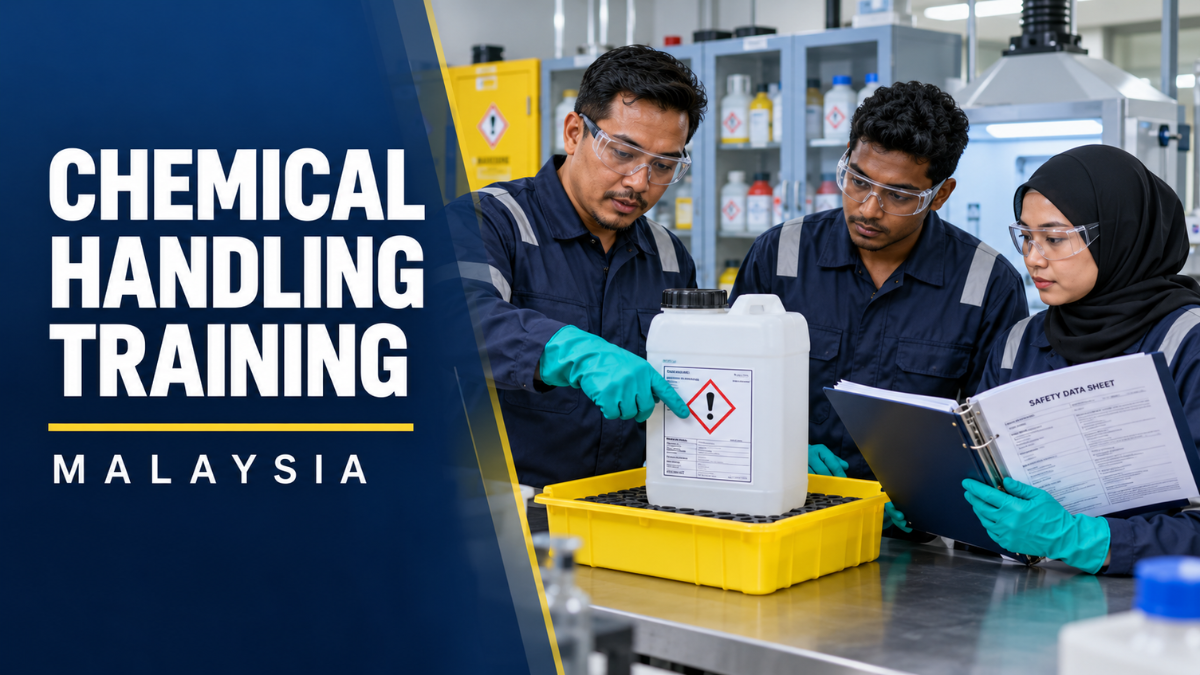
- Chemical Handling Training
- Noise Hearing Conservation Training
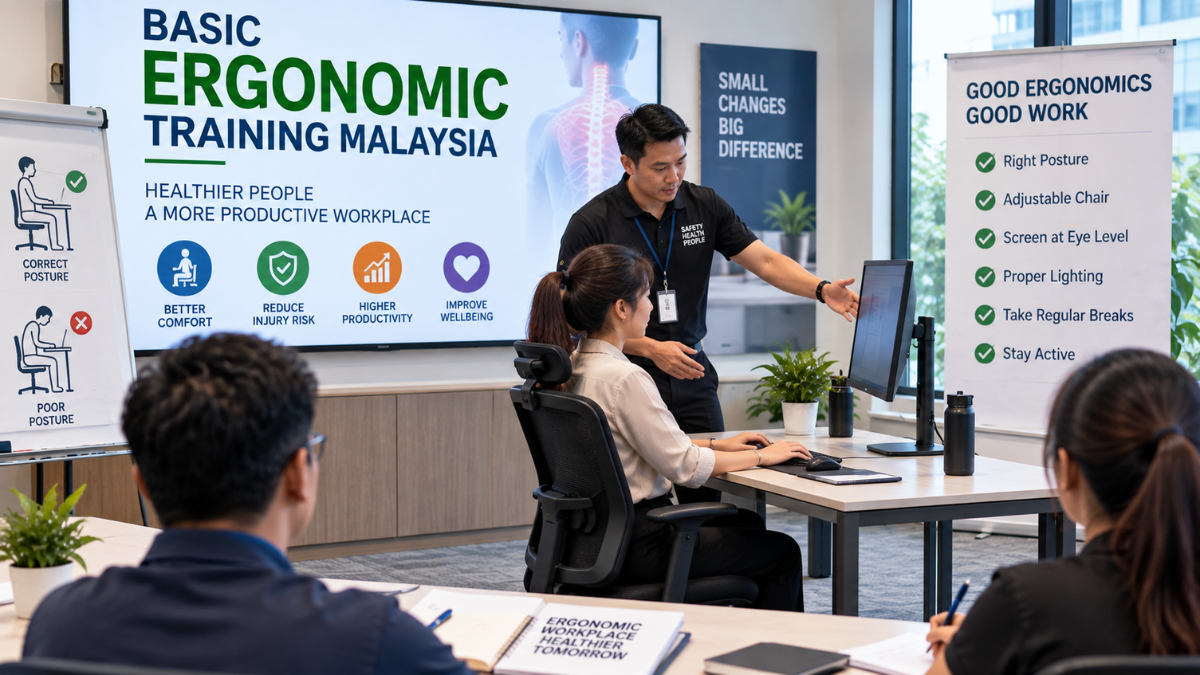
- Basic Ergonomic Training
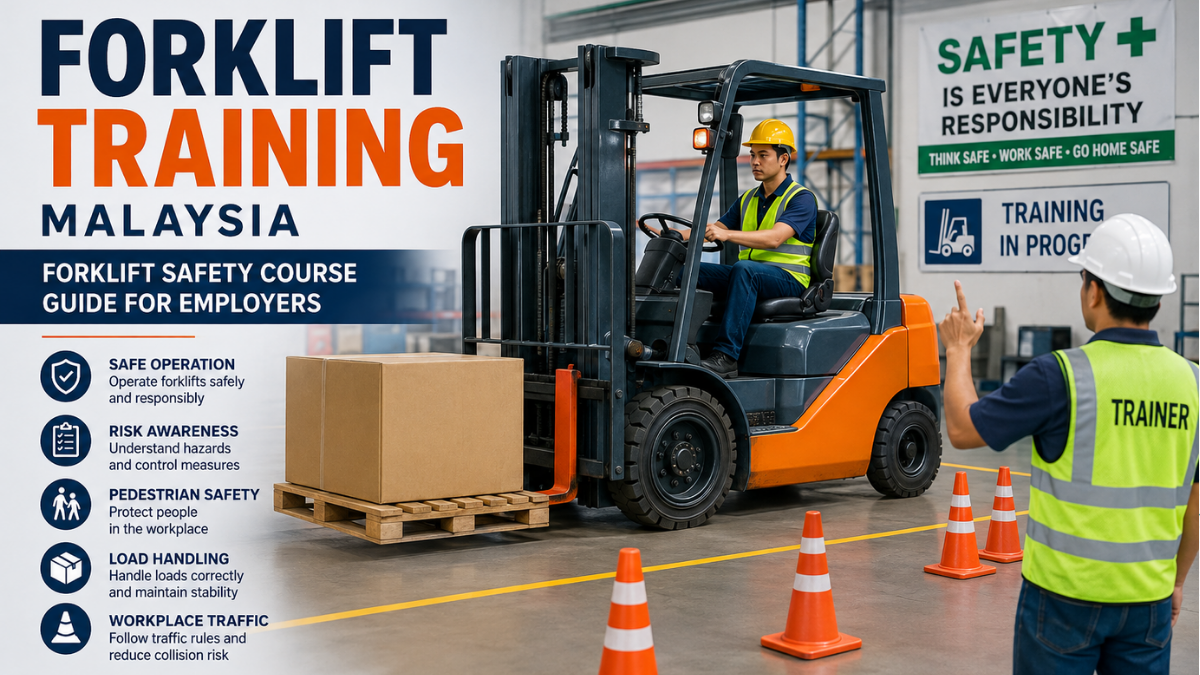
- Forklift Training
- Emergency Response Training
- Fire Safety Training
- PPE Training
- Accident Investigation Training
- Safety Committee Training
- Contractor Safety Training
This helps the OSH Coordinator manage workplace risks more effectively.
How Advanced HSE Solutions Can Help
Advanced HSE Solutions supports Malaysian employers with OSH-C Training, HRD Corp claimable HSE training, HIRARC, workplace safety audits, documentation support and DOSH/JKKP inspection readiness.
For OSH-C Training, our team can assist with:
- OSH Coordinator Training registration support
- HRD Corp claimable and non-HRD Corp training options
- Course schedule coordination
- Employer compliance briefing
- Post-training OSH action planning
- HIRARC support
- Workplace inspection checklist support
- OSH documentation review
- Safety record organisation
- DOSH/JKKP inspection readiness support
- Related HSE training for workers and supervisors
If your company needs to appoint an OSH Coordinator or train an internal employee to manage basic safety and health matters, Advanced HSE Solutions can help you move from uncertainty to clear compliance action.
Conclusion
OSH-C Training is an important compliance and workplace safety step for Malaysian employers, especially SMEs and workplaces that need to appoint an Occupational Safety and Health Coordinator.
The training helps appointed employees understand OSH duties, workplace hazards, HIRARC, documentation, inspection support, incident reporting and safety promotion.
For employers, the key message is simple: do not treat OSH-C Training as only a certificate. Appoint the right person, provide proper training, define the role, support the person with management authority and follow up with real workplace safety action.
A well-trained OSH Coordinator helps strengthen workplace safety culture, improve documentation, support DOSH/JKKP readiness and reduce preventable workplace risks.
FAQ
What is OSH-C Training?
OSH-C Training is Occupational Safety and Health Coordinator Training. It prepares an employee to coordinate workplace safety and health matters for the employer.
What does OSH-C stand for?
OSH-C stands for Occupational Safety and Health Coordinator.
Who needs OSH-C Training in Malaysia?
Employers who need to appoint an OSH Coordinator should send a suitable employee for OSH-C Training. This is especially relevant for SMEs and workplaces with five or more employees that are not required to appoint a Safety and Health Officer.
Is OSH Coordinator the same as Safety and Health Officer?
No. A Safety and Health Officer is a registered safety professional required for certain gazetted workplaces. An OSH Coordinator is an appointed trained employee who helps coordinate OSH matters in workplaces where an SHO may not be required.
What does an OSH Coordinator do?
An OSH Coordinator assists the employer with OSH documentation, hazard reporting, workplace inspection support, HIRARC coordination, safety promotion, incident reporting and DOSH/JKKP readiness.
What should OSH-C Training cover?
OSH-C Training should cover OSH law, employer duties, OSH Coordinator responsibilities, hazard identification, HIRARC, workplace inspection, incident reporting, emergency preparedness, OSH documentation and safety communication.
Is OSH-C Training HRD Corp claimable?
OSH-C Training may be arranged as HRD Corp claimable training for eligible employers, depending on provider arrangement, course approval and HRD Corp requirements.
What should employers do after OSH-C Training?
Employers should issue an appointment letter, define the OSH Coordinator’s duties, provide management support, organise OSH records, update HIRARC, conduct workplace inspections and follow up corrective actions.
Can Advanced HSE Solutions provide OSH-C Training?
Yes. Advanced HSE Solutions can support OSH-C Training registration, HRD Corp claimable and non-HRD Corp training options, course schedule coordination, post-training action planning and DOSH/JKKP inspection readiness.